Real Estate Photo Enhancement Service: Seller Guide
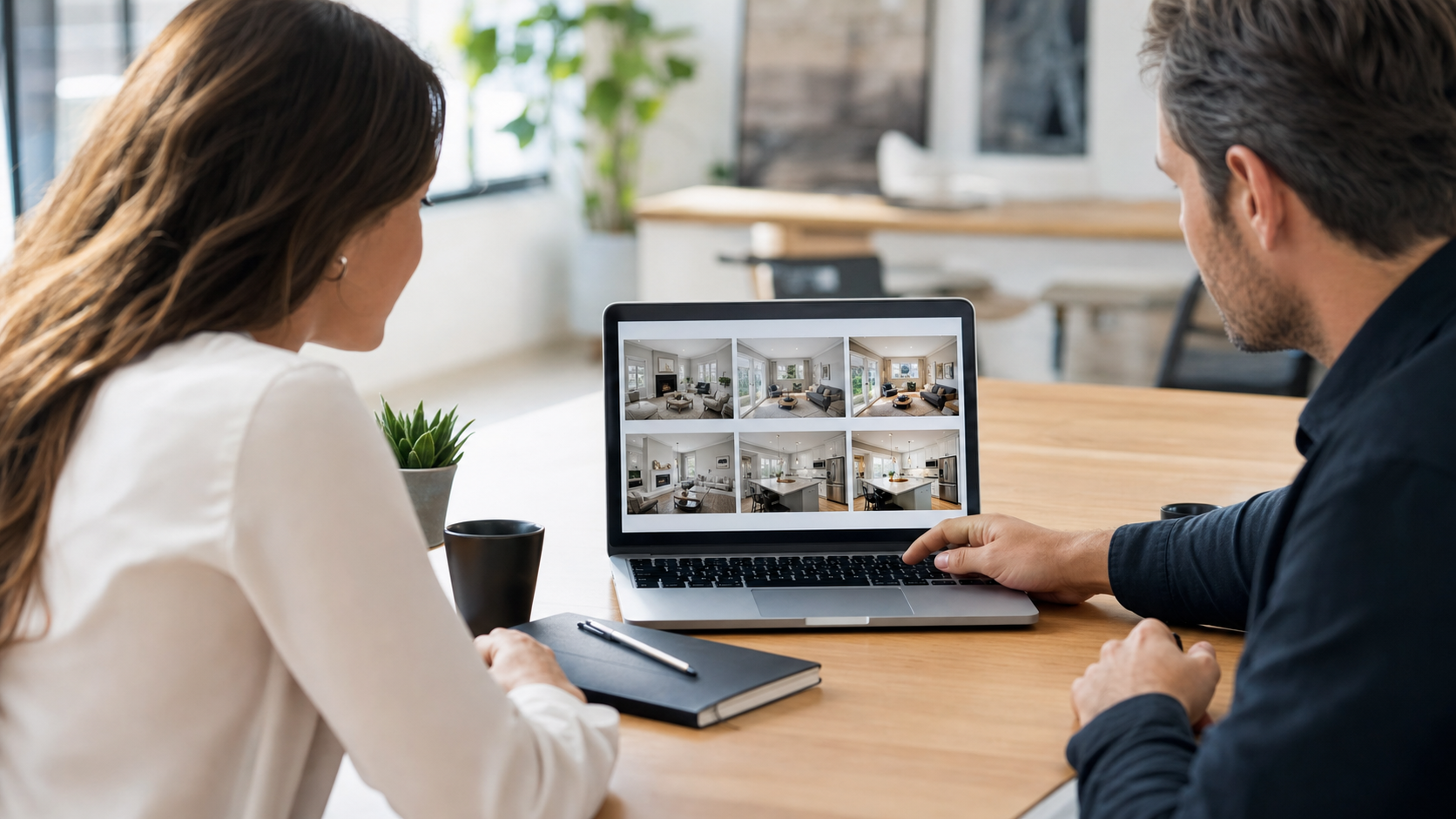
A real estate photo enhancement service helps property photos look clean, bright, and ready for buyers to review online. For agents, small-business owners, parents selling a family home, and creators managing property content, better images can make a listing easier to understand and more inviting.
What a Real Estate Photo Enhancement Service Does
Real estate photo enhancement is the process of improving property images while keeping the space accurate and believable. The goal is not to mislead buyers. The goal is to make photos clearer, better balanced, and more professional.
Most buyers begin their home search online. If the photos look dark, tilted, blurry, or washed out, the property may feel less appealing before a buyer reads the details. Strong images help buyers understand the room size, layout, light, finishes, and outdoor features.
A real estate photo enhancement service may include:
- Brightness and exposure correction
- Color balance improvements
- Sky replacement when appropriate
- Window view correction
- Lens distortion fixes
- Vertical line straightening
- Lawn and exterior cleanup
- Object removal for small distractions
- HDR blending for better detail
- Image resizing for MLS or website use
Why Better Listing Photos Matter
Listing photos are often the first showing. A buyer may scroll through dozens of homes in a few minutes, so the first image has to earn attention quickly. Clean, bright photos can help a property look cared for and easy to explore.
Good photos also reduce confusion. Buyers want to know how rooms connect, whether a kitchen feels bright, and if outdoor spaces are usable. When photos are too dark or uneven, key details can get lost.
Enhanced photos can support several listing goals:
- More confident first impressions
- Clearer room and layout presentation
- More consistent image quality across the listing
- Better-looking social media posts
- Cleaner website and brochure visuals
- Stronger visual trust with buyers
Parents selling a home may also appreciate edits that remove small signs of daily life, like cords, toys, or minor clutter. Small-business owners and creators may need polished images for ads, landing pages, or rental platforms. A good editing service helps the property look prepared without making it look fake.
Common Photo Problems Enhancement Can Fix
Even a good camera can struggle inside a home. Rooms often have mixed lighting from windows, lamps, ceiling lights, and shadows. This can create photos that look yellow, blue, flat, or uneven.
A real estate photo enhancement service can help fix common issues such as:
- Dark interiors with bright windows
- Crooked walls or leaning vertical lines
- Dull skies or gray outdoor shots
- Color casts from warm bulbs
- Overexposed highlights
- Underexposed corners
- Reflections or glare
- Minor marks on walls or floors
- Uneven grass color
- Distracting items in the frame
These fixes are especially helpful when a listing has limited time to go live. Instead of reshooting every image, editing can improve the best available photos. However, if a photo is very blurry, poorly framed, or missing important areas, a reshoot may still be the better choice.
Ethical Editing: What Should and Should Not Be Changed
Real estate photo editing should make a property look its best while keeping it truthful. Buyers should not arrive at a showing and feel the photos hid major problems. Accurate editing protects both the seller and the agent.
Safe enhancement usually includes light correction, color correction, straightening, cropping, and removing temporary distractions. Examples include trash bins, cords, small floor items, or a car in the driveway. These edits help buyers focus on the property.
Editing can become risky when it changes permanent features. Removing a crack in a foundation, changing a wall color that still exists, adding furniture that is not disclosed, or making a small yard look much larger can mislead buyers. If an image uses virtual staging or major changes, the listing should follow local rules and platform guidelines.
A practical rule is simple: enhancement should improve presentation, not change the facts. When in doubt, the safer choice is to keep the edit modest or disclose the change.
How the Photo Enhancement Process Works
A professional workflow is usually simple. The client sends images, explains the property type, and notes any special requests. The editor reviews the files and makes adjustments based on image quality, listing needs, and delivery format.
A typical process looks like this:
- Upload the photos.
- Share the intended use, such as MLS, website, flyer, or social media.
- List any requested edits, such as brightening rooms or removing small items.
- The editor enhances the images.
- The client reviews the final files.
- Revisions are made if needed.
- Final images are delivered in the right size and format.
Clear instructions save time. For example, "brighten the living room but keep wall color natural" is more useful than "make it look better." If certain items must stay visible, such as appliances, fixtures, or property features, those should be mentioned upfront.
Best Photos to Send for Editing
The best results start with strong source photos. Enhancement can improve many issues, but it cannot fully replace good lighting, sharp focus, and thoughtful framing. A few simple shooting habits can make the final edits much better.
Before sending images, sellers and agents should try to:
- Use the highest-resolution files available
- Take photos in landscape orientation for most listing platforms
- Keep the camera level
- Open curtains and blinds
- Turn on lights when helpful
- Remove clutter from counters and floors
- Capture each main room from more than one angle
- Include exterior, yard, entry, kitchen, bedrooms, bathrooms, and living areas
It also helps to send extra images when possible. The editor can choose the best frame or blend exposures if the files support it. For darker rooms, bracketed photos can help capture both window detail and interior detail.
For homes with special spaces, such as nurseries, workshops, studios, guest suites, or outdoor kitchens, those features should be photographed clearly. Buyers often remember practical spaces that match their daily life.
What to Look for in a Real Estate Photo Editing Partner
A good editing partner should understand real estate presentation, not just general photo editing. Property images need natural color, straight lines, realistic lighting, and consistent style. Overdone edits can make a home look artificial.
When choosing a real estate photo enhancement service, look for:
- Real estate editing experience
- Clear turnaround times
- Revision options
- Natural-looking results
- File formats that match listing needs
- Privacy-minded handling of property images
- Simple upload and delivery steps
- Consistent editing style across a full gallery
Speed matters, especially when a listing is going live soon. Still, quality should not be rushed so much that walls look strange, windows glow, or colors become unrealistic. A polished but natural finish is usually the best fit.
How Enhanced Photos Support Different Audiences
Small-business owners often need property images for more than one reason. A contractor may show before-and-after work. A vacation rental host may need strong photos for booking sites. A local builder may need portfolio images that show finished projects clearly.
Parents and homeowners may need help when selling a family home that still has signs of daily use. Editing can reduce visual distractions, improve lighting, and make rooms feel calmer. This can help buyers focus on the home's space and features.
Creators may use property images in blog posts, reels, newsletters, listing videos, or neighborhood guides. Clean photos are easier to crop, repurpose, and combine with text overlays. A consistent image style can also make a brand look more professional.
This is where real estate photo enhancement becomes more than a listing task. It becomes part of a larger visual system for marketing homes, rentals, services, and local expertise.
Tips for Getting the Best Final Images
The best results come from clear communication. The editing team should know what the images are for, what style is preferred, and what details must remain accurate. This helps avoid edits that look polished but miss the real goal.
Helpful notes may include:
- "Keep the paint color accurate."
- "Make the kitchen brighter but natural."
- "Remove small countertop items."
- "Straighten walls and vertical lines."
- "Keep the outdoor view visible."
- "Prepare files for MLS upload."
It is also smart to review photos on a normal screen before publishing. Very bright phone settings can make images look different than they will appear to buyers. Checking the final gallery on desktop and mobile can help catch issues before the listing goes live.
A real estate photo enhancement service works best when it supports honest, clear marketing. The final images should help buyers understand the property and feel ready to take the next step.
Frequently Asked Questions
Q: What is a real estate photo enhancement service?
A: It is a professional editing service that improves property photos for listings, websites, ads, and marketing materials. Common edits include brightness correction, color balancing, straightening, sky replacement, and minor distraction removal.
Q: Is real estate photo enhancement allowed for listings?
A: Basic photo enhancement is commonly used, but edits should not misrepresent the property. Permanent defects, room size, views, and major features should not be changed in a misleading way. Local MLS and platform rules should always be followed.
Q: How long does real estate photo editing take?
A: Turnaround depends on the number of images, edit complexity, and service schedule. Many standard listing photo edits can be completed quickly, while large galleries or detailed edits may take longer.
Q: Can a real estate photo enhancement service fix blurry photos?
A: Minor softness may be improved, but very blurry photos usually cannot be fully restored. Sharp, high-resolution source images give the best results.
Q: What photos should be enhanced before listing a home?
A: The most important photos are the main exterior, entry, living room, kitchen, primary bedroom, bathrooms, yard, and any standout features. The first listing image deserves special attention because it often drives the first click.
Q: Can objects be removed from real estate photos?
A: Small temporary objects can often be removed, such as cords, trash bins, toys, or small clutter. Permanent fixtures or important property details should generally stay visible unless removal is clearly appropriate and not misleading.